

How early detection is changing cancer care
When it comes to cancer, timing can make all the difference. Finding cancer early often means more treatment options, less aggressive therapies and a greater chance for a cure.
“ is one of the most important and powerful tools that we have in oncology because when we find cancers earlier, we typically have more treatment options, less aggressive treatment options and a higher chance to cure cancers,” said Dr. Emily Touloukian, DO, FASCO, President and CEO of Coastal Cancer Center in Myrtle Beach, an independent oncology practice.
“With early detection, you may be able to just have surgery instead of surgery and chemotherapy. Maybe your disease is curable now, but if it spreads further, it’s not.”
That is the purpose of cancer programs: finding cancers before they have a chance to spread.
Don’t Wait Until It’s Too Late
“The number one misconception about cancer is that someone would know if there’s something wrong. But that’s exactly why is so important, because we’re for cancers that may not cause symptoms until they’ve progressed,” Dr. Touloukian says.
Many cancers can develop silently for years before symptoms appear. Breast, cervical and colorectal cancers may be present before a person notices changes.
“Most people who are diagnosed with cancer do not have a family history. Most cancers are not genetic,” she says.
Historically, cancer focused on breast, cervical and colorectal cancers. More recently, lung cancer has become an important tool for early detection.
Low-dose CT scans can detect lung cancers earlier in people who meet specific criteria, including age and smoking history. Today’s 3D mammograms provide clearer images and greater diagnostic precision, while Pap tests and colonoscopies remain essential tools.
Many guidelines now recommend starting colorectal cancer at age 45 instead of 50.
Treatment options have advanced significantly alongside early detection.
“Today we have chemotherapy, immunotherapy and targeted therapies,” said Dr. Touloukian.
Tumor profiling allows physicians to examine cancer DNA and identify mutations that may respond to targeted treatments. This personalized approach means cancer care is no longer one-size-fits-all.
“We’re avoiding treatments that would be very toxic to patients and wouldn’t have benefits,” Dr. Touloukian says.
A More Personalized Approach to Cancer Care
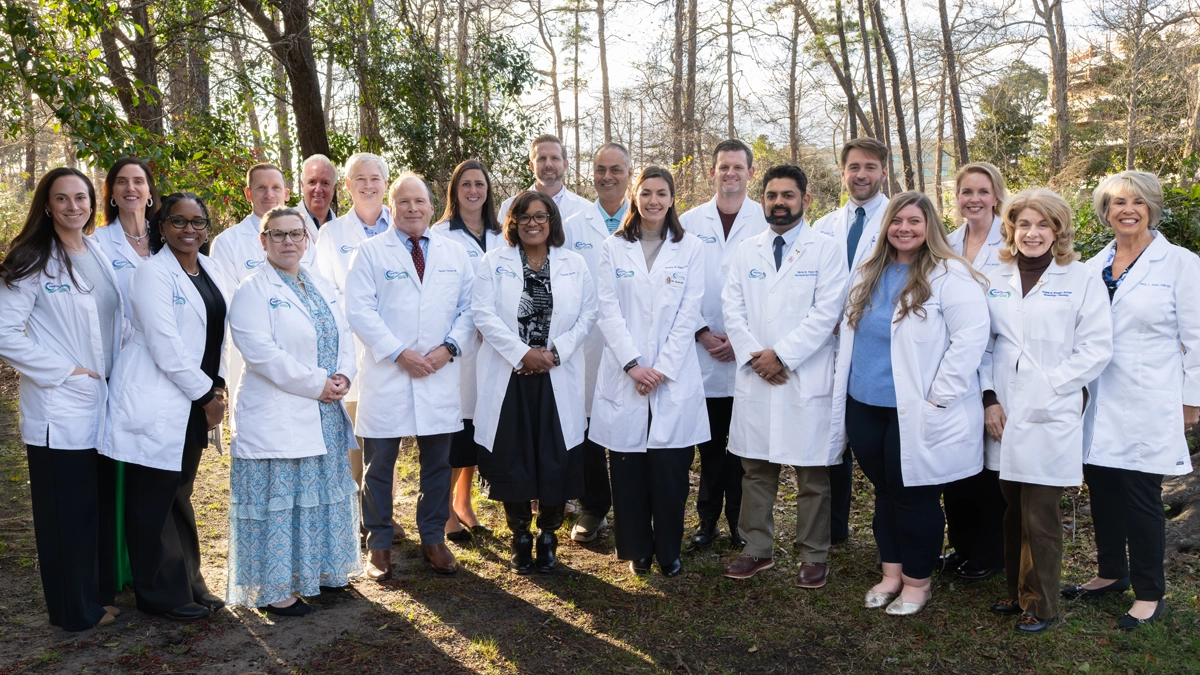
At Coastal Cancer Center, patients benefit from a multidisciplinary approach that brings together medical oncologists, radiation oncologists, nurse practitioners, physician assistants, nurses and support staff. The practice recently added radiation oncology to provide comprehensive care under one roof.
“Our team approach ensures patients have knowledgeable professionals available to answer questions, provide guidance and help navigate every step of treatment,” Dr. Touloukian said.