Skin cancer prevention and treatment
Few words inspire as much fear in men and women as “You have cancer.” Besides affecting your physical and mental health, this affliction in almost any form still too often has the last word, limiting doctors in their ability to fully treat or re- move. But in an ongoing war against the disease, researchers keep chipping away toward a cure in all forms – and leading the way in this progress is skin cancer.
Why Skin Cancer Is a Focal Point in Cancer Research
Not that skin cancer is any better than other forms of cancer – such as lung, breast, brain or prostate – but, so far, early-stage skin cancer appears as the most preventable and treatable.
Major Causes of Skin Cancer
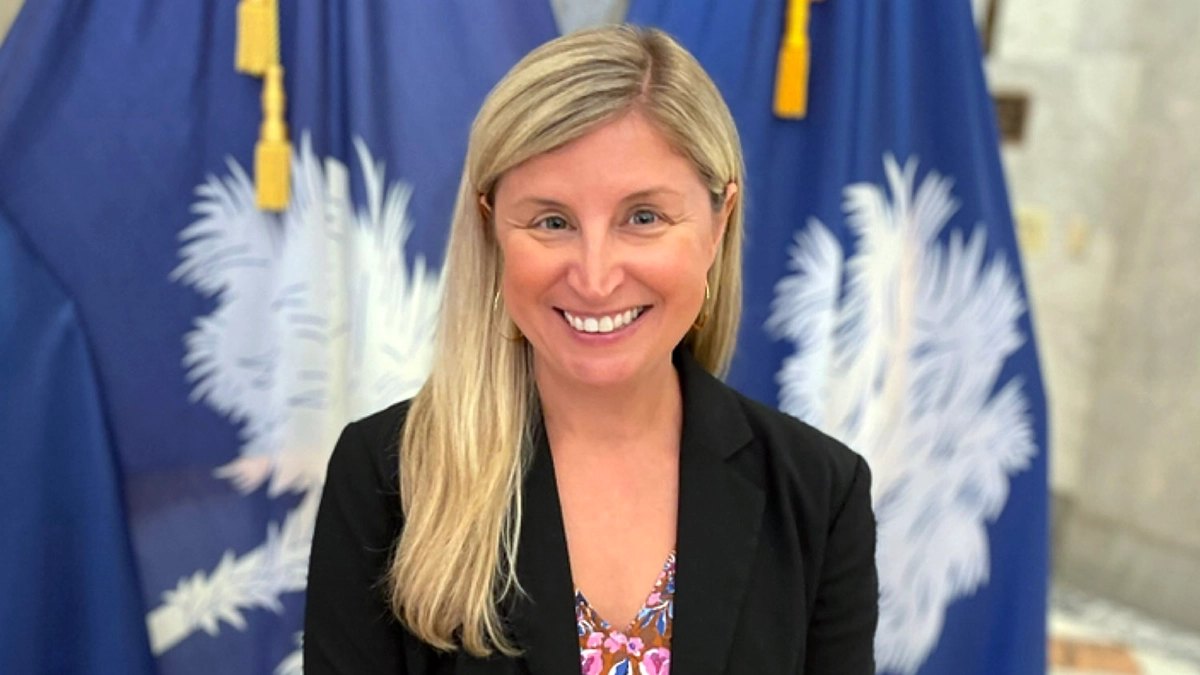
“There are a number of factors that can contribute to causing skin cancer, including genetics, aging, exposure to certain chemicals and an immunocompromised state,” said Dr. Milaan Shah, who specializes in dermatology and dermatologic surgery with the Medical University of South Carolina in Charleston. “But the biggest factor by far that increases the risk of skin cancer is exposure to UV light from the sun and tanning beds. It is thought that UV light causes DNA damage, which results in mutations that lead to the development of skin cancer.”
How Common Is Skin Cancer in the U.S.?
For example, consider that the skin is the largest organ in the body. Each year, more than 5 million cases of skin cancer are diagnosed in the United States, making it the most com- mon type of cancer. While symptoms can vary, common signs include new growths, changes in existing moles or freckles, sores that don’t heal and rough patches on the skin.
Understanding Melanoma and Its Risks
Melanoma, an aggressive type of skin cancer that the American Cancer Society projects to kill 8,430 people in the U.S. in 2025, is the deadliest form of skin cancer.
Tips for Skin Cancer Prevention
“But with improved monitoring and treatment options, most patients with melanoma have excellent outcomes,” Dr. Shah said. He pointed out that while melanoma is not entirely preventable, melanoma treatment can be averted by “limiting sun exposure, avoiding tanning bed use, wearing sun-pro- tective clothing, wearing sunscreen of at least SPF 30 and re-applying every hour while active out in the sun.”
Severity Spectrum of Skin Cancers
“In general, skin cancer does not cause death, although there is a spectrum of severity depending on the type of skin cancer,” said Dr. Shah, adding that even certain kinds of non-melonoma cancers – such as basal cell carcinomas – can’t just be ignored. “Basal cell carcinomas almost never spread in the body or cause death, but they can cause significant local damage if not treated appropriately.”
Importance of Early Detection
Early detection is key to treatment and other options for skin cancer, as the American Cancer Society estimates that 104,960 new cases will be diagnosed this year. “The overall number of deaths associated with melanoma continue to in- crease because of an increasing number of melanoma cases,” Dr. Shah said. “But earlier detection and improved treatment options have contributed to a decreased mortality rate.”
Notable Skin Cancer Treatments Since 2011
While progress has been underway since the early 19th cen- tury – such as the invention of sunscreen in 1928 – the biggest FDA-approved treatments for skin cancer treatment in the last decade or so include:
- 2011 – Ipilimumab, an antibody used for the treatment of melanoma.
- 2014 – Pembrolizumab, a drug used for refractory, advanced melanoma.
- 2014 – Nivolumab, 2014, a drug that works by binding to and blocking a specific protein on the surface of some cancer cells to keep them from suppressing the immune system.
- 2024 – Amtagvi, 2024, an immunotherapy that uses tu- mor-infiltrating lymphocytes for advanced melanoma. Amtagvi is the first cellular therapy to be approved for a solid tumor.
- 2024 – Skin Cancer Vaccine, 2024. Known as mRNA-4157 or V940 and developed by Moderna, an American pharma- ceutical and biotechnology company based in Cambridge, Massachusetts, this vaccine is the outcome of a Phase II clini- cal trial and utilizes a synthetic mRNA code to produce more than 30 antigens to train and activate a patient’s immune system to mount an anti-tumor response.
Modern Surgical and Non-Invasive Options
“Because of these developments, the mortality rate for melanoma dropped significantly from 2013 to 2017,” Dr. Shah said.
And if you ever need surgical treatment, Dr. Shah recommend- ed targeted therapy, melanoma immunotherapy and/or chemo- therapy and Mohs surgery – which spares all possible tissue, has the highest rates of clearance and “has recently become more popular amongst certain dermatologists.”
New Skin Cancer Therapies on the Horizon
“It is a very interesting time, with many new therapies be- coming available,” Dr. Shah said. “Photodynamic therapy … can now be done for longer times to treat basal cell carcinomas. And radiation therapy has recently gained lots of attention for the treatment of non-melanoma skin cancers as it allows for treatment of skin cancer with minimal to no scarring.”
By L. C. Leach III