

As health systems acquire more physician practices, some doctors are choosing independence for more patient time, autonomy and personalized care
By Jenny Peterson
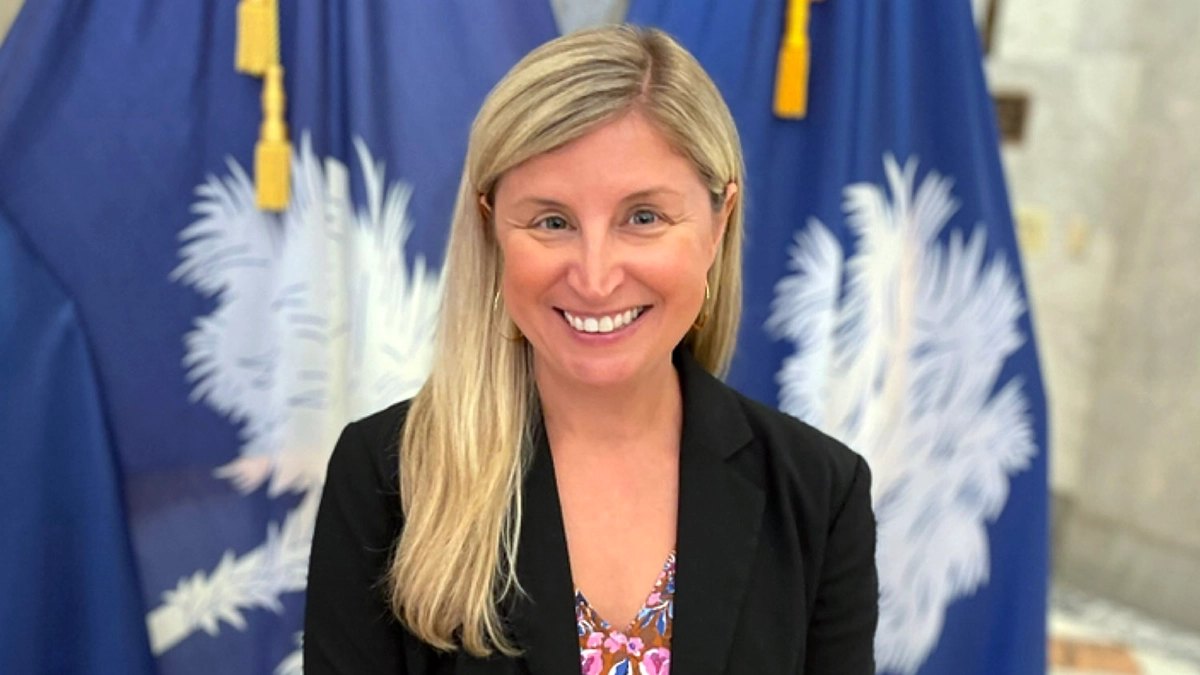
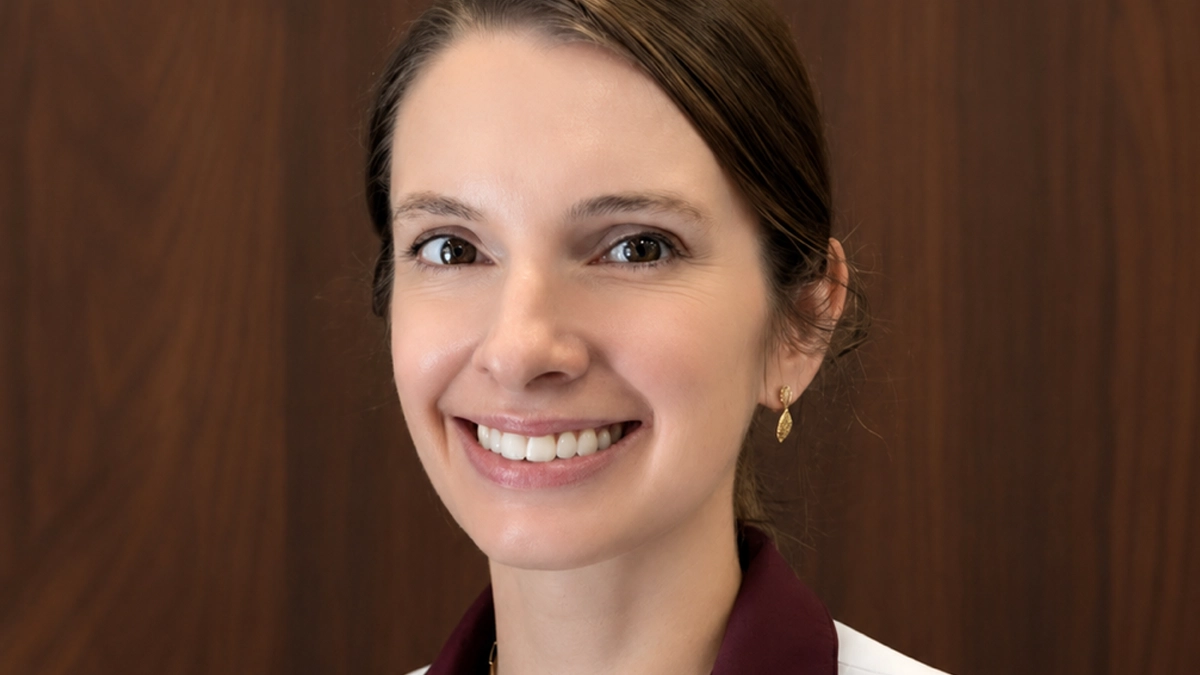
When Dr. Ann Gregory Kelly began looking for a new practice, she knew one thing: She wanted to remain independent.
Dr. Kelly had spent about five and a half years at Palmetto Primary Care Physicians, an independent practice at the time.
In March, MUSC Health announced it had acquired Palmetto Primary Care Physicians, the state’s largest independent multispecialty physician group, for $111 million.
The deal brought 31 physicians, more than 95 advanced practice providers and 40 medical practices under the MUSC Health umbrella.
When the practice was in talks to be sold, Dr. Kelly began exploring other options. What she discovered surprised her.
“There are very few independent practices left,” Dr. Kelly says.
She joined Liberty Doctors in February, practicing in James Island, and found what she was looking for in an increasingly consolidated healthcare landscape.
For Dr. Kelly, the appeal of independent medicine comes down largely to autonomy. During residency, she chose Palmetto Primary Care because she wanted the freedom to shape her own practice.
While interviewing with larger health systems, she says she knew she wouldn’t have the same flexibility to perform the procedures she wanted, expand her patient roster to see children or pursue other areas of care.
“At other places I interviewed, I could tell I wasn’t going to have the autonomy I wanted,” she said.
At an independent practice, physicians have more flexibility to determine how they practice and what services they offer.
“It’s not surprising that doctors in independent practices have greater career satisfaction because of the ability to shape not only how you practice medicine but also how you deliver care in an increasingly complex system,” Dr. Kelly says. “Including being innovative in times when it’s needed most.”
She points to the COVID-19 pandemic as an example. Independent groups were often able to implement rapid testing, vaccines and treatment protocols quickly because physicians could make decisions without navigating multiple layers of bureaucracy.
For Dr. Kelly, another one of the biggest differences is the relationship between the doctor and the patient.
“It’s a patient-doctor relationship and not a patient-system relationship,” she says.
In a large health system, patients may remain with the organization even when their physician leaves. They may not always know where their doctor has gone or whether they can follow that physician to another practice.
“In the independent model, my patients are my patients,” Dr. Kelly says. “And if I leave, they can choose to follow me where I go.”
The Cost of Remaining Independent
Independence, however, isn’t easy. The cost of running a medical practice has risen sharply in recent years, Dr. Kelly says, while insurance reimbursement has barely kept pace.
“The overhead cost of everything has gone up a lot, but reimbursement rates from insurance companies have not really gone up at all,” she says. “If anything, adjusted for inflation, you could say it’s gone down.”
That financial pressure is one reason many independent practices may find selling to a larger health system attractive.
For patients, the changes can be easy to miss, particularly when a practice keeps its familiar name after an acquisition.
“There’s not a lot of awareness about the differences,” Dr. Kelly says. “But I think it affects the patients’ experience.”
Dr. Kelly was relieved to find a place where she could continue practicing independently. At Liberty Doctors, she sees a broad range of patients, including children, performs procedures and teaches residents.
Concierge on the Rise
Another path to physician independence is through a concierge medicine model, which Dr. W. Melvin Brown chose for his King Street practice, CharlestonMD in downtown Charleston.
After years in the traditional health care system, including working in an emergency department during the COVID-19 pandemic, Dr. Brown said he had grown frustrated with a system he felt made it difficult for doctors to focus on why they entered medicine in the first place.
“I love being a doctor, but I felt like this health care system wasn’t structured to enjoy that,” Dr. Brown says. “Doctors are kind of like the engines that drive this huge financial complex, but they don’t benefit proportionally from the increase in workload. And patients lose 100 percent.”
Eventually, he decided the only way to enjoy practicing medicine again was to create a model he could control and spend the time he needed with patients.
Concierge medicine requires patients to pay an out-of-pocket membership fee, but Dr. Brown says the model allows him to spend significantly more time with patients, better understand their health and be readily available, even after hours, when concerns arise.
He believes that extra time and accessibility lead to stronger doctor-patient relationships and inspire patients to take a more active role in their health.
“If patients are investing in my practice, that means they’re investing in their health,” he said. “I like to say they’re often better ‘students’ of health.”