

How a local entrepreneur is aiming to fix healthcare
Article and photos by Jenny Peterson
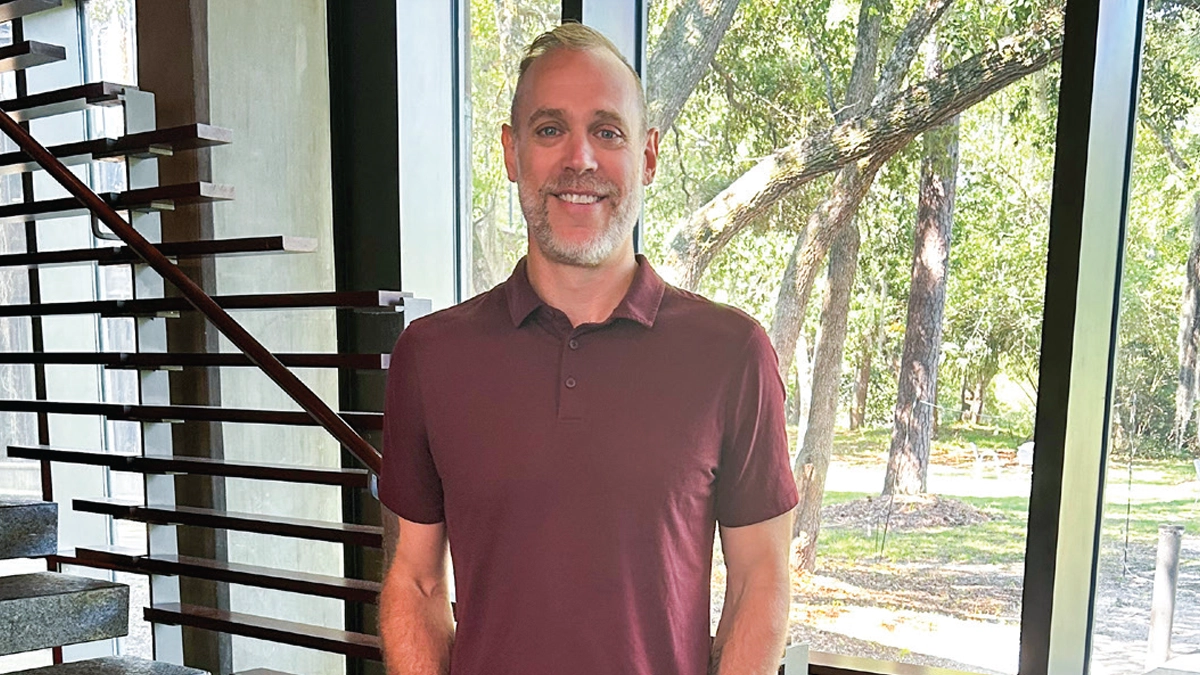
David Thedinga walked away from a 20-year insurance career to bet on a different kind of healthcare system — one built around prevention, personalization and the idea that better care could ultimately drive down costs. Working out of the Harbor Entrepreneur Center in Mount Pleasant, Thedinga sees himself as a disruptor in the healthcare insurance industry in how employers deliver healthcare benefits.
His startup, Tikvah, connects employers and employees with a curated network of functional and integrative healthcare providers — doctors and practitioners focused on prevention, root-cause treatment and more personalized care — while providing education, care navigation and reimbursement pathways designed to make preventative and root-cause care more accessible.
Born From Frustration
The decision to launch the venture was shaped by personal family health scares — both physical and mental — that he describes as overwhelmingly reactive experiences with quick diagnoses, short visits, pharmaceuticals-as-answers and minimal follow-up.
Seeking better care, he began seeking out functional medicine providers on his own — doctors who dig deeper into underlying issues, from hormone imbalances to mineral deficiencies to environmental triggers. Through laborious research, including joining Facebook groups for people going through similar issues, he found help, but also a fragmented system that he wished was easier to navigate.
Building the Tikvah Platform
That platform became Tikvah.
Thedinga said integrative doctors are already there; they simply need more visibility and a trusted platform that identifies and vets those committed to functional medicine and personalized, holistic care.
The idea is that if employees have better access to functional medicine, they may experience improved health outcomes.
Over time, that could translate into lower overall healthcare costs for employers, and ideally those doctors would be covered under traditional healthcare reimbursements as an “endorsement.”
“If you have a car insurance policy, or homeowners, there are endorsements, it’s basically added coverage,” Thedinga said. “What we’re doing is creating a pathway for employers to integrate and reimburse preventative, functional and integrative care alongside traditional healthcare benefits,” he said. “Right now, the health insurance model is just reactive. You’re paying monthly to take care of emergencies, not to build long-term health.”