

When people think of methods for fighting depression, they probably imagine countless medications, Zoloft, Lexapro and Prozac may spring to mind. Cognitive behavioral therapy is also a common approach, but what if these treatments proved ineffective for some patients? It’s these more difficult cases that require a less conventional approach, such as transcranial magnetic stimulation, a type of therapy that’s actually far simpler than its name implies.
What Is TMS?
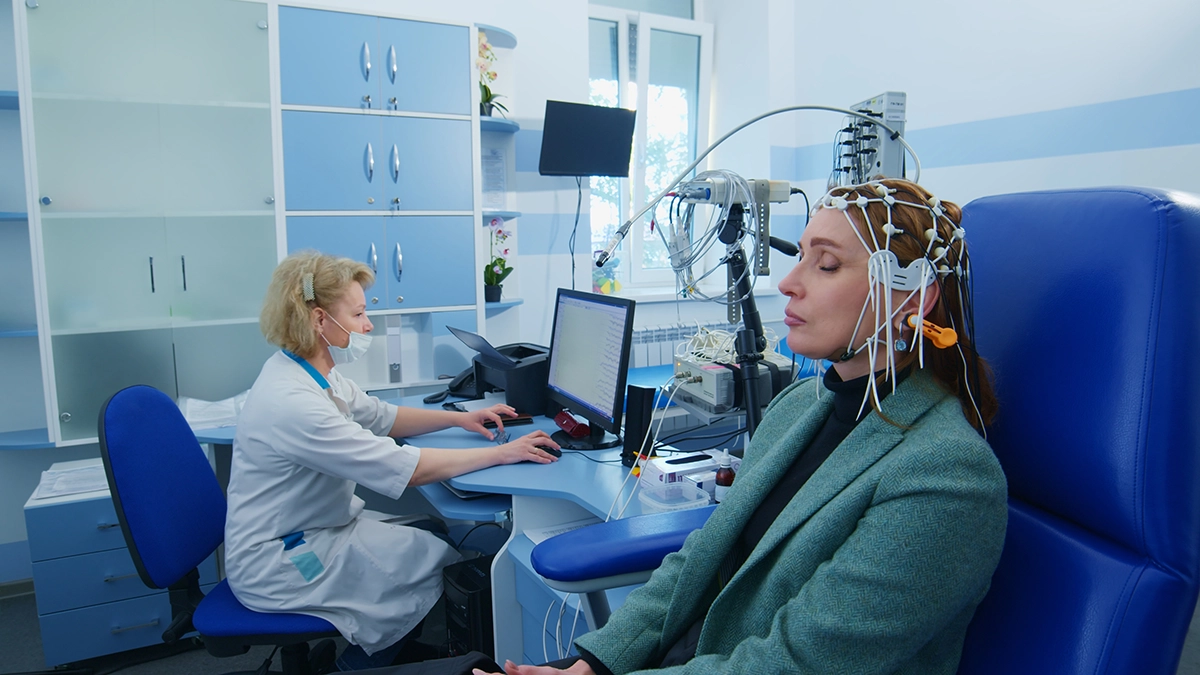
TMS is a procedure that uses magnetic fields to stimulate nerve cells in the brain to help improve symptoms of depression, it’s often reserved for people who haven’t responded well to other types of treatment. TMS originated in the 1980s and continued with extensive research throughout the 1990s, however, it wasn’t until 2008 that TMS was approved, albeit in a limited capacity, by the Food and Drug Administration.
Insurance and Accessibility
Angel Oak Counseling on Johns Island is one of several Lowcountry locations that offers TMS therapy, however, the unorthodox nature of TMS means that insurance providers are not always eager to pay for it. Angel Oak’s Dr. Daniel Uderitz has offered TMS therapy since 2020 and describes it as a “non-invasive and easy-to-do treatment” that’s ideal for treatment-resistant depression.
“One of the first things I tell patients when we begin discussing TMS is ‘It’s not shock therapy or ECT.’ I always want to make that clear,” Dr. Uderitz said.
How TMS Works
Unlike medications, which approach healing through chemistry, TMS uses physics to address these issues. “It’s interesting because the location in the brain we target during TMS, that front-left side, is the same location antidepressant medications are focusing on,” Dr. Uderitz said. “The whole point of TMS is that it’s taking another approach.”
At Angel Oak Counseling, a course of 36 treatments, five days each week for six weeks, is the typical timeline for standard TMS therapy. Each session takes approximately 20 minutes, and most treatment courses last no more than nine weeks in total. Dr. Uderitz explained that TMS patients are able to drive themselves to and from appointments.
In addition to TMS, Angel Oak offers child, adolescent and adult counseling, as well as psychiatric medication management.
Additional Conditions and Insurance Considerations
In addition to depression, TMS has shown promising results in the treatment of obsessive compulsive disorder, smoking cessation and even migraines, but, unlike depression, these conditions are rarely, if ever, seen as acceptable indications for insurance coverage of TMS. “Within the last few years, insurance coverage of TMS therapy has gotten better, but insurance companies want to see that indication for treatment-resistant depression before they’ll cover it,” Dr. Uderitz said.
Safety and Side Effects
While TMS is a generally safe treatment, one thing medical professionals always consider is a patient’s potential for seizures, which can be exacerbated by the use of a TMS machine. It should be noted, however, that the potential risk of seizures from TMS is far lower than the risks presented by some common antidepressant medications.
One of the only complaints patients report is that the magnetic pulses from TMS therapy are sometimes uncomfortable, though few consider them to be painful. Aside from the discomfort, some people suffer from headaches for a short time after each treatment.
“There’s no laundry list of side effects with TMS,” Dr. Uderitz said. “It’s a very safe treatment option, and the only discomfort most patients describe is simply from adjusting to the initial treatments.”
Duration and Long-Term Outlook
Most patients who respond positively to the treatment will see an improvement in their symptoms for one to three years, then require another round of treatment when symptoms resurface. Dr. Uderitz has seen patients have TMS therapy for years with no negative, long-term side effects.
Since TMS is a supplemental therapy, using it in conjunction with medication therapy is fairly common. A positive aspect of this conjunctive therapy that some patients who were previously taking multiple medications may need fewer medications when TMS is added.
Awareness and Future Adoption
One of the biggest obstacles to insurance coverage of TMS is its lack of public exposure. Dr. Uderitz said TMS is generally seen as an afterthought in psychiatry, and it’s this apathy toward the resource that limits the good TMS can do.
“I don’t think it’s nearly as utilized as it should be, especially with the research and results we’ve seen from this sort of therapy, so spreading awareness of TMS is vital to its future availability” he added. “The ultimate goal of TMS is to help patients while also allowing them to taper off of some of their medications.”
If it were approved for widespread coverage, Dr. Uderitz said he would offer TMS as a first-line therapy because it is a safe and effective alternative to taking medications. He also praised the Medical University of South Carolina’s innovations in TMS, such as accelerated, rapid TMS and its promising results.
“Hopefully, we will keep seeing these positive outcomes so we can continue advancing the field of psychiatry for our patients,” he added.
By Colby Denton