

When a veteran nurse didn’t fit the profile for cancer, she had to fight to be heard — leading to a rare and life-changing diagnosis.
By Anne Toole
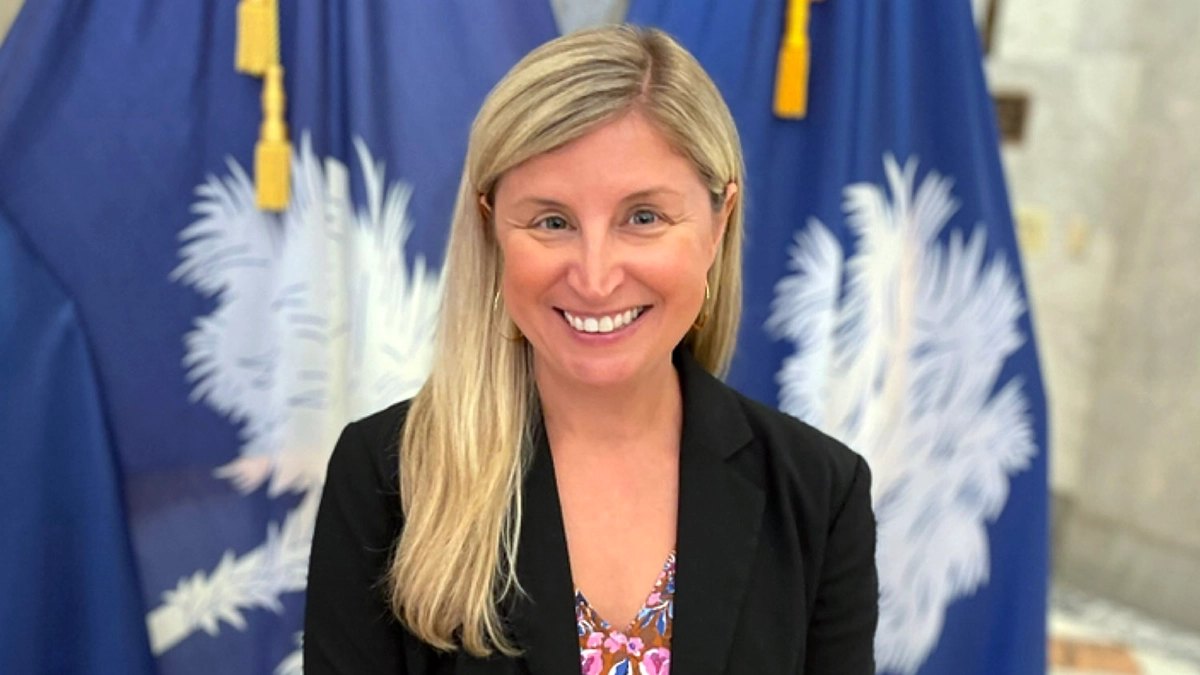
Dr. Michelle Nelson has spent nearly three decades caring for others. As a nurse for 29 years, an adjunct professor at the Medical University of South Carolina and a branch manager for Nova Leap Home Health, she has dedicated her life to serving others in the Charleston area. Two years ago, she found herself on the other side of care and has been navigating a rare diagnosis ever since.
It began simply: One morning in the shower, she felt a knot along her jawline.
“I remember thinking, ‘What in the world is this?’” she recalled. Her primary care doctor wasn’t sure what it was, so she was referred her to her dentist, who referred her to an endodontist, who sent her back to her primary care doctor, who then referred her to an ENT.
The answers weren’t clear.
“I remember my dentist saying, ‘I don’t know what it is, but I know it’s not cancer,’” she said. Still, something didn’t feel right – literally – so Dr. Nelson kept pushing, kept advocating for herself.
For five months, she navigated a maze of referrals, scans and procedures like CT imaging, ultrasounds, scopes and a needle-guided biopsy.
“It was frustrating having to go from one doctor to another, to another. It took time to get appointments, to see the doctors, then get on their schedules to get the procedures done and receive results and then to do it all over again when they couldn’t find an answer,” Dr. Nelson said.
A Rare Cancer Diagnosis
Then came the moment that changed everything.
“I was at my parents’ house when I received a notification on my phone that I had an email,” she said. “I opened my email and it said I had a new document in my patient portal. I opened the document in my patient portal and there it was, a document that read: metastatic carcinoma of the salivary gland.” It was described as a “cluster of grapes” in appearance.
The sting of a cancer diagnosis in an email hurt. She had never even heard of that type of cancer. “I was truly shocked. I have never smoked a cigarette in my life, never drank alcohol and I never used drugs. I didn’t fit the risk factors for it,” she said. “It’s just extremely unfortunate that I fell into that category.”
According to the National Institutes of Health, salivary gland cancers are exceptionally rare, and account for less than five percent of head and neck malignancies. Among these, metastatic carcinoma of the salivary gland is even less common.
Treatment and Recovery
Dr. Nelson was quickly connected with a team of specialists at MUSC Hollings Cancer Center. With a diagnosis in hand, she was relieved to have a team working with her and helping smooth the process.
Over the past two years, she has undergone four surgeries, including the removal of her right salivary gland and a partial glossectomy – removal of part of her tongue. She has also undergone 33 radiation treatments.
“It’s a misconception that radiation doesn’t make you sick like chemo,” she said. “That is not true. I was as sick as a dog.”
The treatments were scarring, and her face, neck, mouth and tongue were severely burned over the course of radiation. Eating became a challenge.
“Some days, it hurt to drink water. Just water!” she said.
Dr. Nelson participated in speech therapy and physical therapy, yet, even now, pain and swelling linger, requiring ongoing care.
Beyond the physical toll, there were emotional hurdles. As a public speaker, minister and leadership coach, Dr. Nelson’s voice is part of her identity. Losing the ability to speak comfortably meant stepping back from engagements, church services and work responsibilities.
“Half of my face was burned on the inside and the outside. I didn’t want to go out in public,” she said.
Faith and Cancer Support
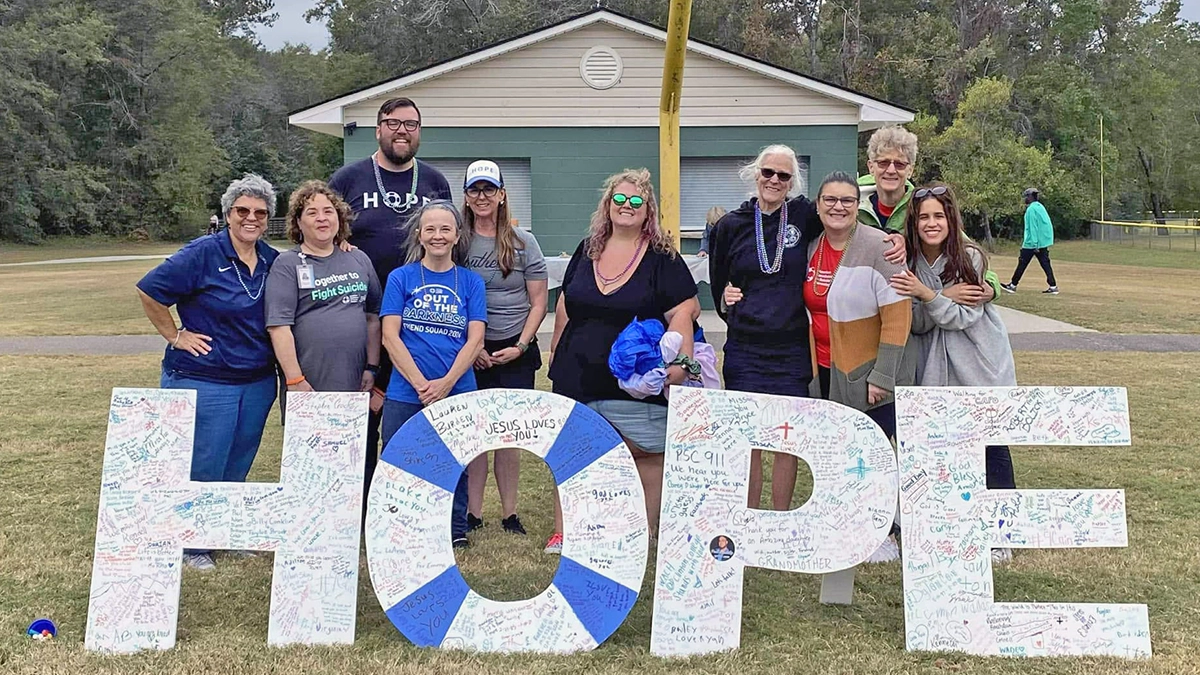
Through it all, she is grateful for support of her family, friends and church community. Technology helped bridge the gap when she couldn’t physically attend church services and allowed her to stay connected and engaged. She has also turned her diagnosis and faith into a source of strength for others.
Today, she serves as Vice President of the Cancer Support Ministry at Mt. Moriah Missionary Baptist Church, one of only a few churches in the state with a dedicated ministry of its kind.
“I would love to connect with those who are interested in implementing a dedicated Cancer Support Ministry in their churches or organizations,” Dr. Nelson said.
Today, her journey is ongoing with an uncertain future.
“My medical team follows me very closely because the cancer was so rare and precancerous areas keep popping up,” she shared. “I have scans every three months. I don’t want them to miss anything, and they don’t want to miss anything. They’re able to get me in without a wait.” Dr. Nelson said. Other precancerous areas have already been removed from her tongue.
Self-Advocacy After Diagnosis
She advised others with unsolved medical concerns to self-advocate.
“Pay attention to your body,” she advised. “If you know something is wrong, do not stop until you get answers.”
Dr. Nelson said she often looks back on that early reassurance from her dentist that the lump she felt wasn’t cancer.
“What would have happened if I had accepted it without question?” she challenged. “You have to keep going. You have to keep asking.”
As she continues healing and navigating new precancerous areas, Dr. Nelson is preparing to share her story in a forthcoming book that is centered on action, resilience, healing and faith in motion.
“This has been a long and painful journey,” she said. “But I’m here and I have my faith, and that’s the most important thing.”