

Respite Care Charleston
A common misconception among caregivers of loved ones who suffer from Alzheimer’s and dementia is that they can navigate all of the day-to-day obstacles by themselves. However, trying to do everything while never quite achieving enough often generates added pressure, stress, guilt and even resentment. By reframing the concept of asking for and accepting help as a sign of strength rather than a symptom of weakness, families can be empowered to focus less on their worries and more on peace of mind.
Respite Care Charleston Executive Director Sara Perry, explained, “Struggling alone or just within the family isn’t necessary. Most family and friends genuinely want to contribute, and asking for support allows them to experience the joy of helping. Letting others help share the load doesn’t just impact the caregiver – it allows them to give their loved one the best version of themselves as caregivers.
“It’s not sustainable for one person to take on the role of caregiver without giving any consideration or taking time for themselves. Caregivers have to learn to put themselves first,” she continued. “By taking care of their own physical and emotional health and mental well-being, caregivers can see immediate and profound results in their quality of life.”
Additional resources for caregivers are Respite Care Charleston’s complimentary in-person and online support groups, which are led by a team of compassionate dementia care experts. “We’re here to support caregivers and their loved ones and to let them know they aren’t alone,” Perry said. “These sessions give caregivers the opportunity to learn from each other by sharing experiences, heartache, grief and frustrations in a safe and confidential setting.”
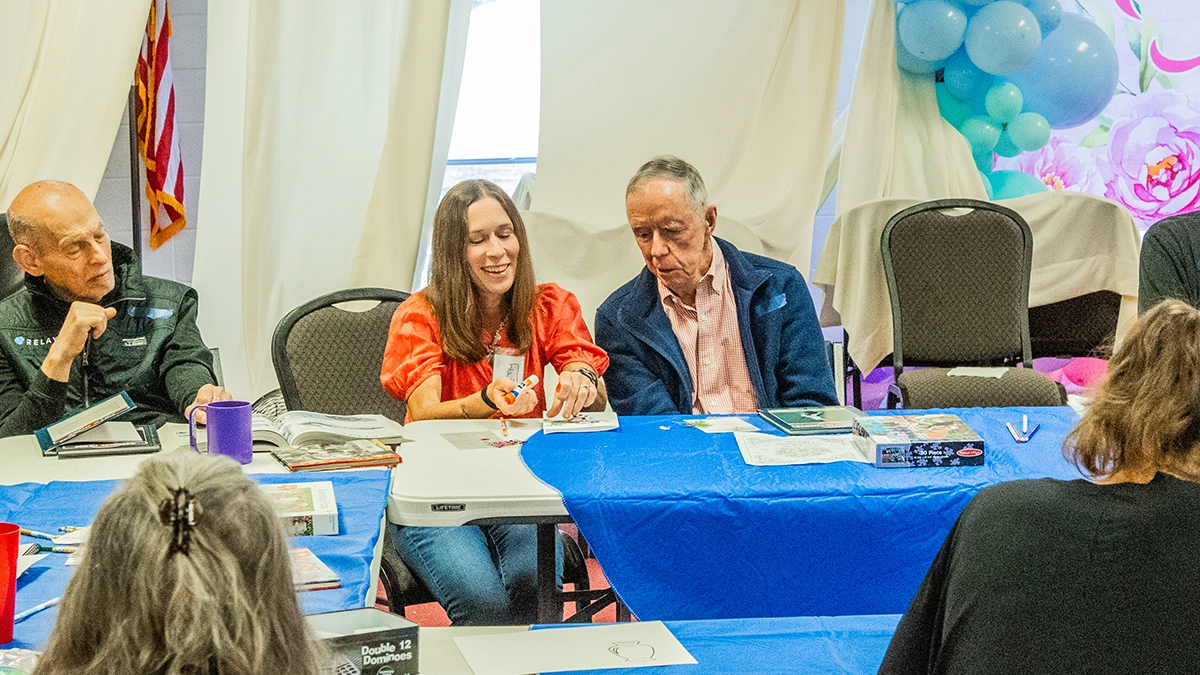
Respite Care Charleston also offers half-day memory care programs at six locations, with more to open soon, where caregivers are invited to drop off their loved one with Alzheimer’s or dementia to safely experience socialization, games, music therapy, nutritious meals and other activities designed for their capabilities.
“Taking time off is easier said than done,” Perry empathized. “But families can rest assured in knowing their loved one is going to have a good time being engaged with our professional staff, compassionate volunteers and other program members, all with the added benefit of socialization that’s good for their brain and overall well-being.”
Because Respite Care Charleston is a resource for everyone in the community, the organization is making concerted outreach efforts to be more inclusive of all ethnicities. “Black and brown individuals are impacted by dementia more than any other demographic,” Perry said. “We want to offer a glimmer of hope to all families living with dementia by offering meaningful engagement and help that is accessible, affordable and convenient. We’re committed to offering a space where families feel they belong and can access the quality care their loved ones deserve.”
By Sarah Rose