

Local farms, hospital nutritionists and a volunteer-run kitchen are turning food into part of the care plan
By Jenny Peterson
There’s a pivotal scene in the 1991 Bill Murray comedy What About Bob? when an exasperated therapist, played by Richard Dreyfuss, hands his anxious patient “a prescription… for a vacation.”
The joke was that the solution to what ails Bob was simpler than anyone expected.
More than three decades later, wellness practitioners are asking a similar, simple question: What if the prescription for what ails you is, simply, the food on your plate? It’s not a punch line. Food is emerging as a critical part of a fight against chronic disease and inflammation, everything from infertility to helping patients muscle through grueling cancer treatments.
Food as Medicine in the Lowcountry
PRESCRIPTION PROTEIN
At Birdsong Wellness & Longevity Centre in Mount Pleasant, members receive personalized weekly boxes of locally raised turkey, chicken and beef, overseen by Dr. Nihar Patel and tailored to each member’s needs based on blood panels and other metabolic health testing.
“Everything is very tailored and customized,” said Stephanie Pascarella, founder of Birdsong.
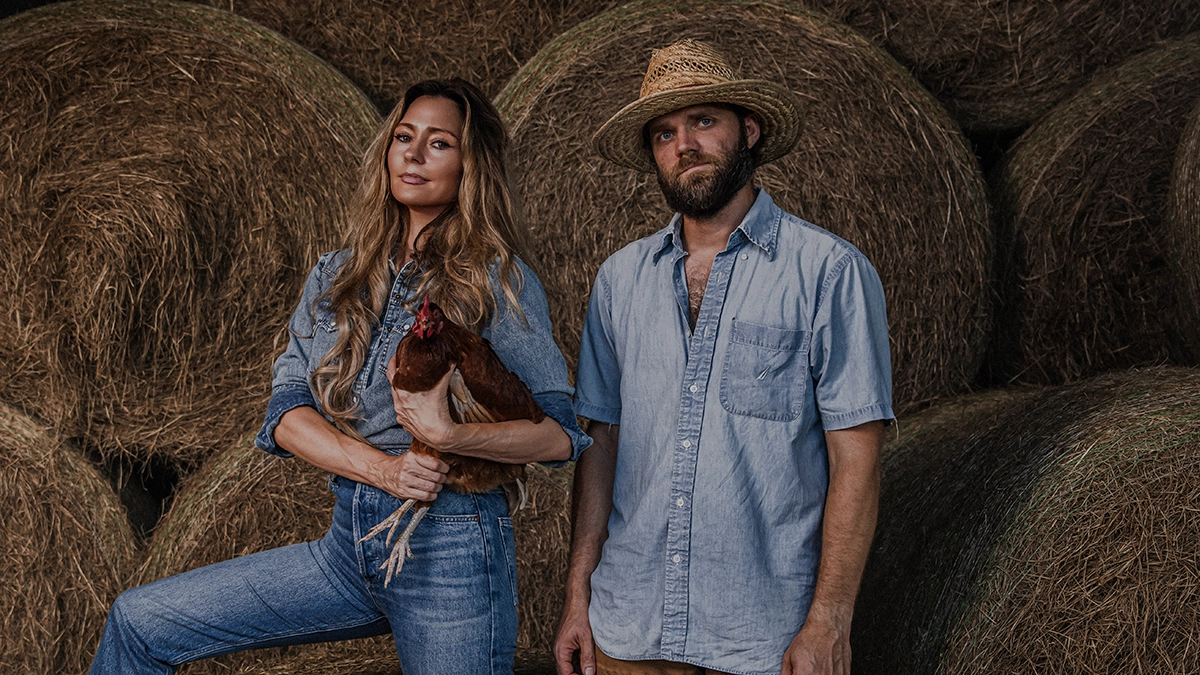
Birdsong’s nutritional partner in this initiative is Chucktown Acres, a regenerative, free-range farm in McClellanville, less than 40 miles away.
The farm treats the soil as seriously as the animals. Its regenerative practices are meant to rebuild the ground, not just work it, and according to Pascarella, the soil has tested free of pesticides for the past decade.
For Pascarella, knowing where food comes from is as important as the nutrient-dense protein it provides.
“When the soil is thriving, it is able to tend to our microbiome in our gut, which hosts about 70 to 80 percent of our immune health,” Pascarella said. “Paying attention to how humanely treated the animals are and the food the animals eat shows up in how the food is later processed in our bodies.”
Birdsong’s prescription food boxes lean into the ancient practice of hunting and gathering fresh, seasonal food, shifting away from modern, convenient processed fare.
“Every time we eat, we’re sending signals into an incredibly sophisticated biological system. We are not meant to communicate (nutritionally) with something grown in a laboratory, or a packaged good with a shelf life of 20-plus years,” Pascarella said.
For some members, the approach has “improved clinical outcomes” for members with chronic illnesses, neurological conditions and even reproductive health.
“We’ve seen egg quality enhanced and fertility improved because of food,” Pascarella said. “We are witnessing dementia patients, cancer patients and fertility patients healing with the addition of using food from our own environment, tended to by a regenerative farm.”
FEEDING THE CANCER FIGHT
The role of food in healing becomes especially critical when illness enters the picture, and large hospital systems have taken note.
At the Medical University of South Carolina, a nutritionist on staff specifically works with patients on tailored eating plans as they navigate cancer treatments and other complex conditions.
Mary Jo Turner, a registered dietitian at MUSC Health, has spent 10 years helping patients with serious diagnoses use nutrition to support recovery and reach their health goals. She has seen firsthand how nutrient-dense foods can improve both recovery and quality of life.
Highly processed foods that provide fewer nutrients while delivering excess fat and calories are akin to “putting sand in your gas tank and expecting your car to go,” Turner said.
Patients undergoing chemotherapy or radiation often face additional nutritional challenges. Nausea and constipation can diminish appetite. Radiation involving the head or neck can affect swallowing, while other treaments may require specific dietary adjustments.
Turner works with patients and the rest of their care team on how to get them the nutrition they need, even when treatment makes eating hard.
“The key is that when you get good things in your body, you’ll get good things out of it,” Turner said.
Nutrition education is always part of the plan. Turner helps patients figure out what to eat once they have a diagnosis. Diabetes and kidney disease, for example, each come with their own dietary rules.
Her broad recommendation for patients is a healthy diet that follows the Mediterranean diet, which incorporates plenty of whole foods, fiber and protein.
While the Lowcountry is filled with an abundance of local farms and fresh produce, Turner works with patients where they are.
“We encourage eating seasonal — as it’s the freshest and most natural way of getting nutrition — but sometimes frozen food is the next best option and more accessible to some patients. We work with each individual to get the best out of their foods source,” she said.
A COMMUNITY KITCHEN WITH A MISSION
The heart-shaped logo says it all. Every week, Amor Healing Kitchen brings heart to the table via a small West Ashley kitchen where local high school students prepare and package free meals for neighbors facing serious health challenges.
The Charleston nonprofit delivers plant-based meals to community members facing a range of health challenges, including cancer, Type 2 diabetes, heart disease, postpartum recovery, major surgery, gastrointestinal conditions and neurological disorders.
Maria Kelly, founder and executive director of Amor Healing Kitchen, said helping her mother through cancer treatment shaped her experience of how much food can support healing when someone is ill. After spending 15 years teaching high school in Charleston, she also wanted to create opportunities for young people to serve their community.
Amor Healing Kitchen brings those motivations together by preparing meals from scratch and working with local farms to source ingredients. Its menus feature vegetables, legumes, nuts and seeds, with dishes changing alongside the seasons.
“In the summertime, it’s lots of salads and cold, hydrating foods and now we’re moving into more comfort foods, soups and stews,” Kelly said.
Produce donations from organizations including Fields to Families, Cuisine Rescue and Charleston Parks Conservancy help connect local food resources with people who need them.
Each Friday, clients receive five entrees as well as a fresh bouquet of flowers donated by local florists. The organization has also begun piloting a food-as-medicine program that provides nine meals per week to participants who have limited access to fresh food. Kelly has seen firsthand what that support can mean.
“One woman in the hospital had lost 20 pounds and we started delivering food to the hospital and she started eating our food and gaining strength. It was really food that she needed at that moment, because she had basically stopped eating,” Kelly said. “The doctors worked out the complications she was facing and now, she’s one of our volunteers.”
Since its founding in 2018, Amor Healing Kitchen has served more than 100,000 meals, reaching approximately 115,000 meals as of November.
Kelly encourages people to pay attention to where their food comes from. Produce picked at peak ripeness, she said, can offer greater nutrient density than fruits and vegetables harvested early and shipped long distances. Buying locally also helps support Lowcountry farmers.
While food is not a substitute for medical care, access to nourishing meals has been shown to help support people through treatment and recovery.
Sometimes, caring for health begins with a prescription. And sometimes, it begins with what’s prescribed on the plate.
To learn more about Amor Healing Kitchen and ways to support, visit www.amorhealingkitchen.org. To learn more about Birdsong and its partnership with Chucktown Acres, visit www.birdsongmedical.com.
ANTI-INFLAMMATORY DIET
Inflammation is your body’s response to illness and injury, but when your immune system is persistently active, causing chronic inflammation, it can contribute to serious health conditions. Anti-inflammatory diets highlight nutrient-rich foods such as dark leafy greens like kale and spinach, berries like blueberries and strawberries, whole grains like brown rice and quinoa, citrus and fatty fish. Spices such as ginger and turmeric offer additional benefits. Research links anti-inflammatory eating most strongly to lower risk of heart disease, diabetes, arthritis and digestive problems. – Bailey Barker
Sources: Cleveland Clinic; Harvard Health Publishing; Johns Hopkins Medicine