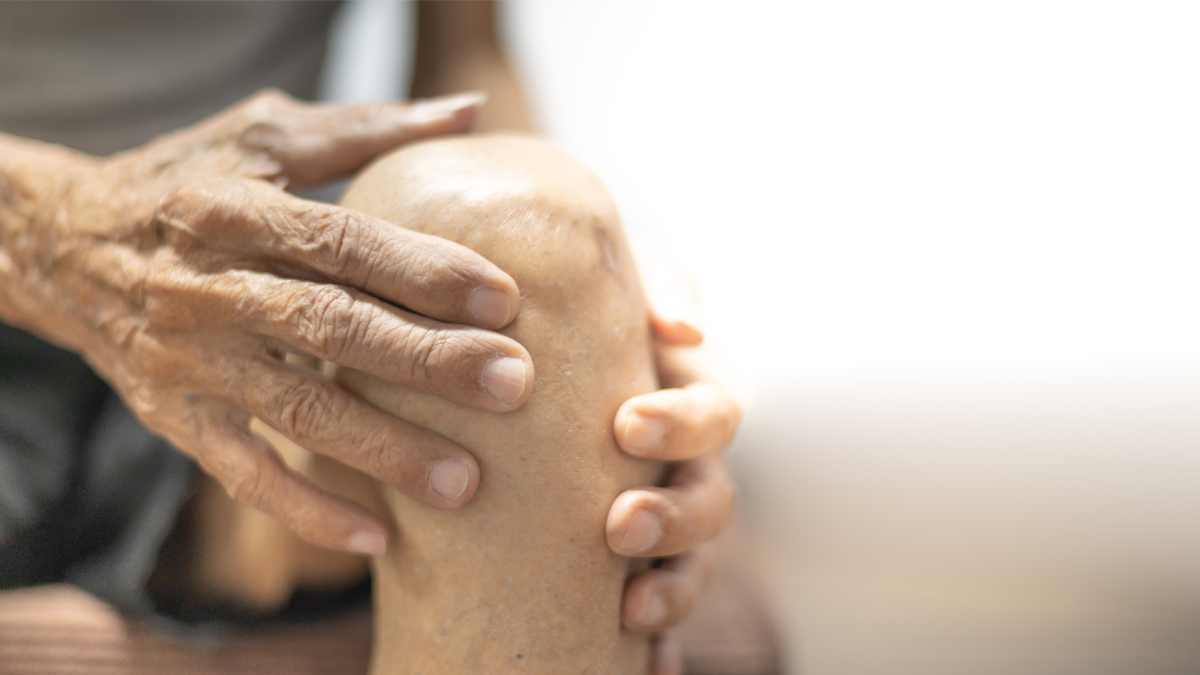


If you’re one of the millions of Americans living with arthritis, you know that the pain can be debilitating. The condition often affects the joints we rely on the most, like the shoulders, knees, hips or hands. Being unable to move in ways you used to limits your mobility and shrinks your world. While over-the-counter and prescription medications offer some relief, many patients find themselves searching for longer-lasting, non-pharmaceutical solutions.
Understanding Arthritis Pain
“Since arthritis of the joint is a progressive condition that leads to further deterioration with time, most non-surgical treatments are temporizing measures,” explained Richard Zimlich, MD, a board-certified orthopedic surgeon with Lowcountry Orthopaedics & Sports Medicine.
Several non-invasive options can help manage arthritis symptoms, improve quality of life and, in some cases, delay the need for surgery. Over-the-counter and prescription medications can help limit the pain of arthritis, but there also are several options aimed at enhancing the quality of life and delaying the need for surgery.
Lifestyle Changes for Arthritis Pain Management
One of the most effective ways to manage arthritis pain is through lifestyle changes. “We always encourage patients to modify activities that place excessive stress on the joints,” Dr. Zimlich said. For example, if you have arthritis in your knees, trading in running or squatting for more joint-friendly activities like cycling or swimming might be helpful.
Maintaining a healthy weight is another way to alleviate some types of joint pain. Extra pounds add pressure to joints, especially the knees, hips and spine. In fact, every pound of excess weight can put up to four additional pounds of pressure on your knees, according to the American Academy of Orthopaedic Surgeons. By eating a balanced diet and keeping your weight in a healthy range, you reduce joint stress and slow the progression of arthritis.
Physical Therapy and Hydrotherapy
Physical therapy is a mainstay for many people with arthritis. Physical therapists use tailored exercises to help maintain flexibility, improve posture and strengthen the muscles that support joints. “Strong muscles around the joint take some of the load off the joint itself,” Dr. Zimlich explained. A lighter load translates to less pain and greater mobility.
Hydrotherapy, or aquatic therapy, is another gentle yet effective treatment. The buoyancy of water reduces stress on joints, making it easier to move and exercise. This form of therapy is especially helpful for those with severe joint pain or mobility challenges.
Supplements and Injections
The supplement aisle is brimming with promises like glucosamine, chondroitin and turmeric. While many people swear by these remedies or read about their cure-all powers online, Dr. Zimlich cautioned, “There’s a lack of large, randomized studies to confirm their long-term effectiveness. And it’s important to talk with your primary care physician about supplements specific to your needs, as some can interfere with medications.”
For more targeted relief, injections may be recommended. Steroid injections reduce inflammation and can provide temporary pain relief. Viscosupplementation, a process that involves injecting hyaluronic acid into the joint, helps the joint move more smoothly. Cutting-edge options like platelet-rich plasma – PRP – and stem cell injections also are gaining popularity.
When Surgery Becomes the Best Option
“Most patients come to me after they’ve tried the non-operative measures but have not found long-term relief and are still in pain,” Dr. Zimlich said. “That’s usually when they come to talk about surgical options.” Because arthritis progressively wears on the joints, non-operative treatments tend to provide short-term relief. Over time, the cartilage in the joint continues to deteriorate, and the pain worsens.
That’s where joint replacement surgery comes in. “Surgery is considered when someone has persistent pain, radiographic signs of joint damage and has not had success with conservative treatments,” Dr. Zimlich explained. “Joint replacement can restore motion and eliminate pain, allowing patients to return to activities they enjoy.”
Robotic-Assisted Joint Replacement Advances
Dr. Zimlich specializes in same-day, robotic-assisted joint replacement surgery. This minimally invasive approach allows for more precise sizing and alignment of the artificial joint. “Robotics help us achieve better ligament balance and implant placement, which should increase the longevity of the replacement,” he noted. Today’s advanced joint implants, particularly those made with high-density polyethylene and designed for cementless fixation, can last 30 years or more.
Living Well with Arthritis
Living with arthritis doesn’t have to mean living in constant pain. Whether you’re exploring physical therapy, trying new lifestyle habits or considering the latest advances in joint replacement surgery, there are effective options for reclaiming your quality of life. “The goal is to get people moving again, to help them walk without pain, return to hobbies they love and simply enjoy life,” Dr. Zimlich smiled. “That’s what joint care is all about.”
By Anne Toole