Reconstructive Surgery After Major Weight Loss: Restoring Form and Confidence
You’ve done it. You worked so hard and lost a tremendous amount of weight. You feel great, but when you look in the mirror, all you notice is the excess skin hanging off your body. What, if anything, can be done to improve your body’s contour?
Understanding the Decision
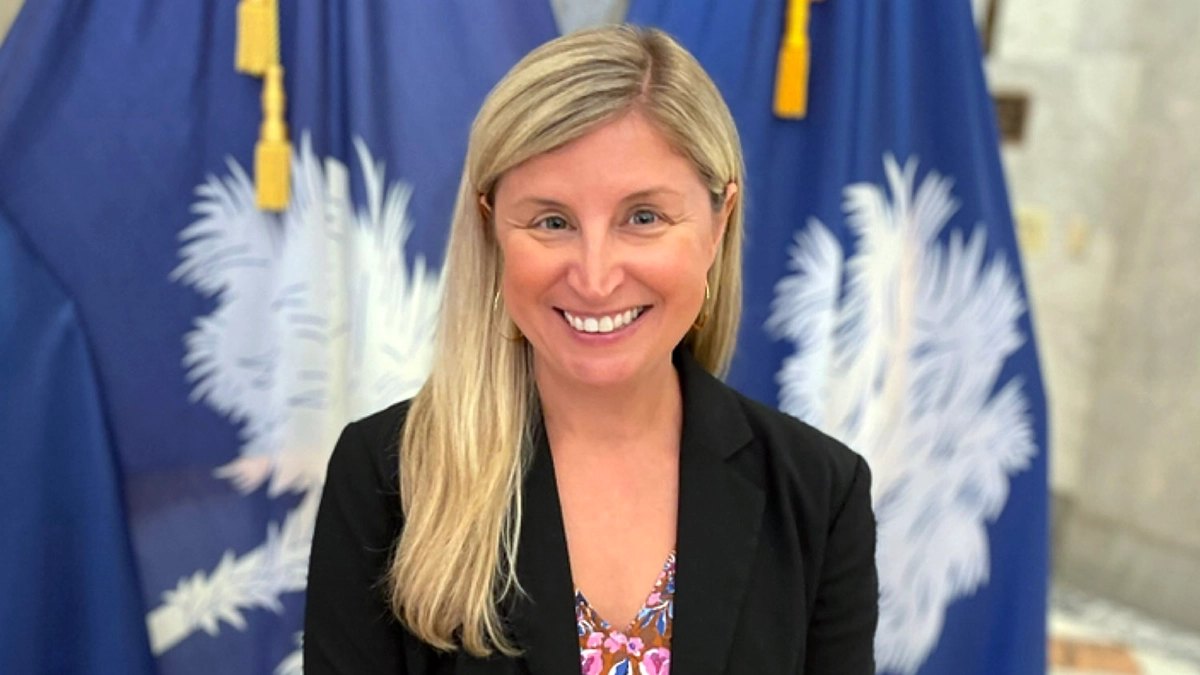
Considering reconstructive surgery is a personal choice. There is much to take into account when it comes to major surgery. Plastic and reconstructive surgeons like Dr. Heidi Williams in Mount Pleasant help patients make the best decisions for their individual needs when contemplating reconstructive surgery after massive weight loss.
The goals of reconstructive surgery depend on the specific challenges each patient faces — whether the excess skin is causing infection, debilitating pain or affecting daily activities. Some reconstructive procedures are medically necessary, while others are cosmetic in nature.
“The primary goal of these medically necessary procedures is to restore function, and the primary emphasis is not usually just cosmesis,” Dr. Williams explained. “However, even in these reconstructive cases, surgeons seek to improve contour. In many instances, improved contour is the primary goal. Surgeries that are typically considered cosmetic are surgeries to address extra skin of the arms, thigh lifts, breast lifts and buttock lifts.”
Common Reconstructive Procedures
The most common reconstructive surgeries after massive weight loss include:
-
Panniculectomy: Removal of excess, overhanging skin below the belly button. “This is the procedure that insurance companies may cover,” Dr. Williams said.
-
Abdominoplasty: A more extensive abdominal contouring procedure that addresses both upper and lower abdominal laxity. Muscles may also be tightened as part of the operation.
-
Other procedures: Brachioplasty (arm lift), thigh lifts, breast lifts and buttock lifts. “The placement of the incisions depends on the amount of excess skin, which also determines the length of the resultant scars,” Dr. Williams noted.
Choosing the Right Approach
Dr. Williams advised patients to prioritize the areas that are most bothersome to them, such as the abdomen versus the arms or thighs. “Surgical approaches are also sometimes determined by patient preferences and tolerance for scars,” she explained. “For instance, a mini-brachioplasty or arm lift may seem more desirable to a patient to limit a scar going down the length of the arm, even if the mini approach is less effective in removing the lax skin.”
Revisions over time are not uncommon to maximize cosmetic results following bariatric or reconstructive surgery. However, Dr. Williams cautioned that repeated surgeries are typically not indicated unless there are ongoing issues such as skin chafing or infection.
Timing and Long-Term Maintenance
It is not typically advisable to undergo these procedures until a patient’s ideal body weight has been achieved and maintained for at least six months. “Any weight gain or loss following the procedure can compromise the results,” Dr. Williams said.
“The biggest takeaway after reconstructive surgery is weight maintenance and healthy living with adherence to good dietary and exercise habits,” she added.
Confidence and Continuity
Successful reconstructive surgery after massive weight loss depends not only on surgical outcomes but also on the patient’s commitment to maintaining their results. “I have seen these transformations help rebuild a patient’s confidence, but the real changes and confidence-building must come from within,” Dr. Williams concluded.
For more information about Dr. Williams, visit www.heidiwilliamsplasticsurgery.com.
By Theresa Stratford