
One Step at a Time

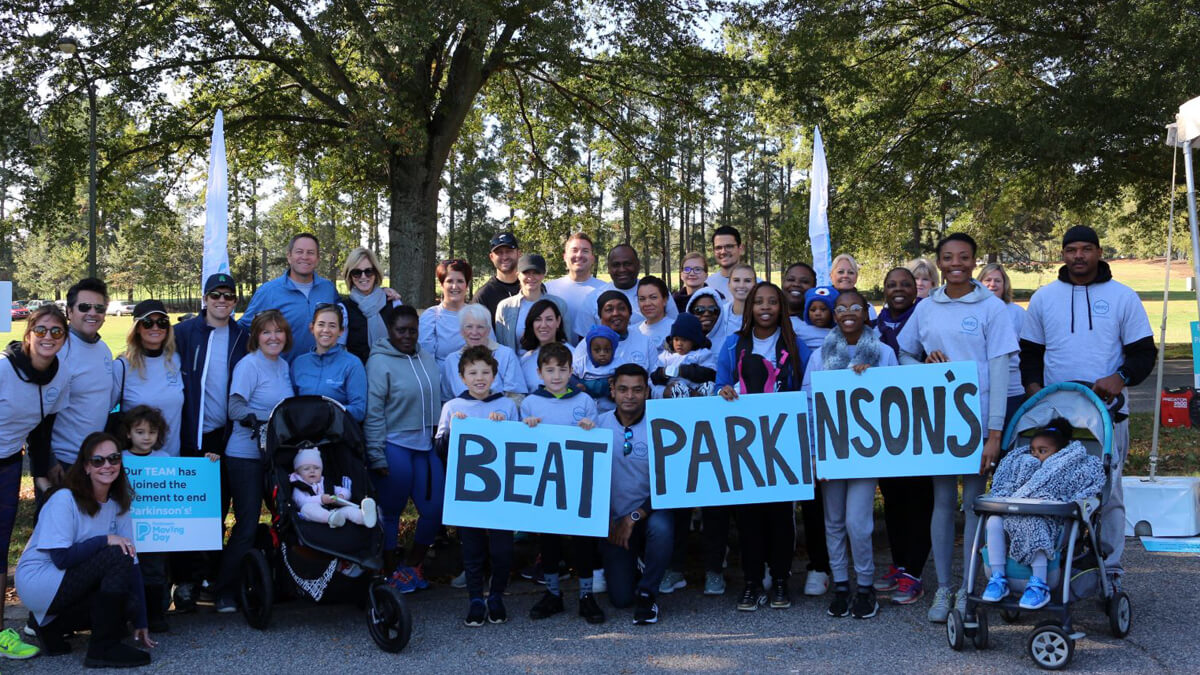
Moving Day 2026 aims to raise $85,000 to support Parkinson’s research, programs and services By Jenny Peterson A Parkinson’s disease diagnosis is a progressive reality. Because symptoms often emerge gradually, the earliest signs can be easy to overcome or dismiss. Yet, research continues to back up what many people living with Parkinson’s already know: staying … Read more
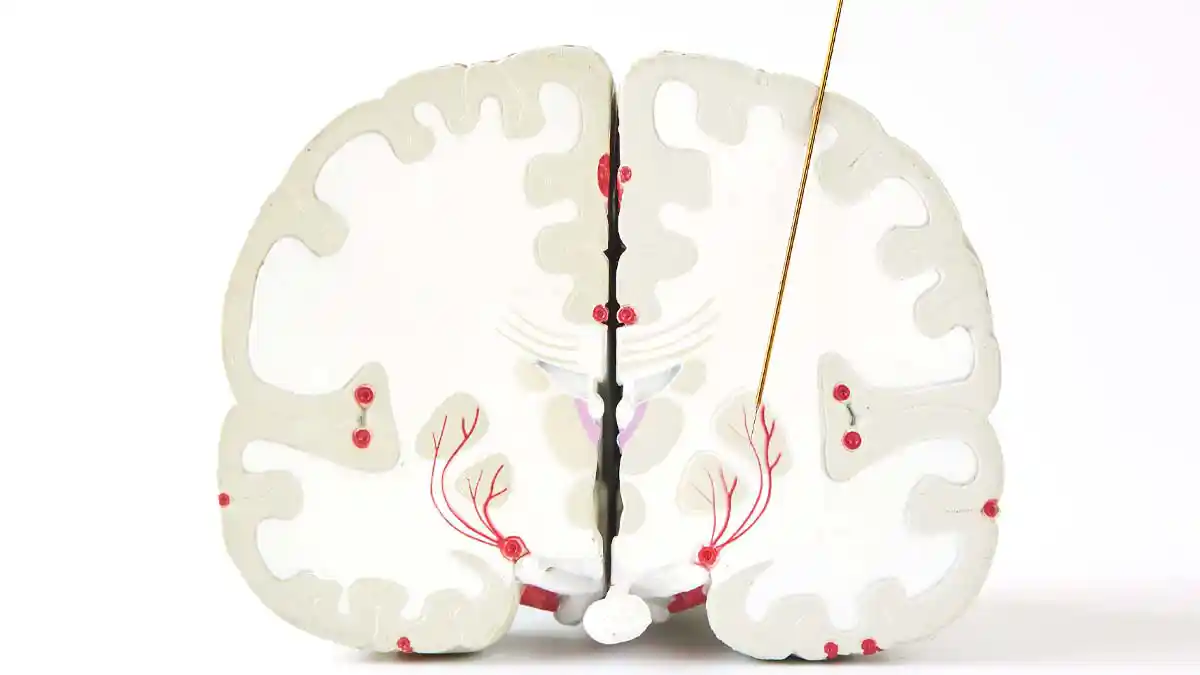
Deep Brain Stimulation Revolutionizes Treatment

ILLUSTRATION: Deep Brain Stimulation

In the summer of 2011, when U.S. resident Yoheved Hasson began feeling involuntary shaking in her left leg, she soon learned from a local neurologist that she had Parkinson’s disease. Several years later, after trying prescription medications and other treatments to no avail, she was told by doctors that her only hope for recovery was … Read more

The Parkinson Foundation

The Parkinson Foundation

According to Harvard Medical School, Parkinson’s is a progressive neurodegenerative disease that causes nerve cells to weaken and die in the area of the brain that controls movement. When this occurs, less dopamine is produced, and the brain loses its ability to control body movement. Why these nerve cells weaken and die is still not … Read more

Exercise Works for Parkinson’s

An older man following an exercise routine to keep mind and body sharp.

Parkinson’s disease is a debilitating malady, cursing its victims with a variety of issues ranging from involuntary movement to difficulty walking to troubling changes in speaking and handwriting. And though most Parkinson’s patients are taking medication, many of them also are fighting back – literally, in some cases – through exercise and rehab programs and … Read more

Parkinson’s Disease Awareness Month

Parkinson’s Disease Awareness Month photo

As many as 1 million Americans live with Parkinson’s disease, which is more than the combined number of people diagnosed with multiple sclerosis, muscular dystrophy and Lou Gehrig’s disease. In the Carolinas, some 34,000 people are living with the disabling disease alone. “Parkinson’s disease is the second most common neurodegenerative condition after Alzheimer’s,” explained John Lehr, […]

MUSC’s Rock Steady Boxing Benefits Parkinson’s Patients

Rock Steady Boxing helps Parkinson's Patients

The Medical University of South Carolina Wellness Center is now offering Rock Steady Boxing – a program that gives hope to those with Parkinson’s disease through a non-contact, boxing-based fitness curriculum. The program, which the Wellness Center adopted in August, is open to people with all stages of Parkinson’s. This activity is specifically designed not […]

Skip to content