

Physical recovery is increasingly defined by motion, not rest
By Jenny Peterson
When Erin Davis graduated from physical therapy school 19 years ago, recovery looked very different.
“The mindset was rest,” said Davis, a physical therapist and director of the Mount Pleasant North Clinic at Carolina Physical Therapy and Sports Medicine. “For lower back pain, doctors used to prescribe bed rest. Today it’s more about how your body needs to move.”
That shift has reshaped how clinicians approach everything from acute injuries to chronic pain. Movement is no longer viewed as something to avoid, but as a core part of healing.
There are still limits, Davis said. Pain matters.
“If it hurts when you move, that’s a warning sign,” she said. “But it’s not automatically a stop sign.”
Why Movement Has Replaced Rest
Ankle sprains illustrate the change clearly. The longstanding “RICE” protocol — rest, ice, compression, elevation — is no longer the automatic default.
“Now we often focus on weight loading it earlier,” Davis said. “If it’s a tendon issue, we want to introduce movement and weight load, even if there’s some discomfort. When you load tissue appropriately, you’re teaching it how to tolerate stress again.”
That approach is rooted in physiology. Joints are filled with synovial fluid, which circulates more effectively through motion, helping lubricate and nourish tissue. Movement also improves blood flow, reduces stiffness, supports cardiovascular health and can lower stress.
“It really impacts the whole system,” Davis said. “Movement helps circulate it, lubricate it, keep everything functioning.”
Pain, Davis added, often changes movement patterns long before it causes structural damage.
“When something hurts, the body adapts by avoiding it,” she said. “We start compensating, and that can create new problems. We try to break that cycle and restore normal movement.”
She recalled a patient with long-term foot pain who was preparing for a major family hike in the Alps. With targeted rehabilitation, he was able to complete the trip pain-free.
“He was 100 percent pain free during the hike because he did the work beforehand with movement,” Davis said.
Movement Benefits More Than Injuries
The philosophy extends beyond orthopedic injuries. Conditions once treated with strict rest are now approached more actively.
“Years ago, concussion patients were told to stay in a dark room,” Davis said. “Now we know gradual movement and light activity can actually help recovery.”
Even vertigo treatment is movement-based. Specific maneuvers can reposition inner-ear crystals, while targeted exercises help retrain balance systems.
Even with chronic conditions like arthritis, the goal is similar: maintain function.
“We can improve how the joint functions and how the surrounding structures support it,” Davis said.
At the practice, she also emphasizes early education — simple mechanics like how to get out of bed without straining the neck or how to sit at a desk properly.
These days, patients can often access care directly through physical therapy without waiting for a physician referral, allowing treatment to begin sooner after injury.
The message is consistent: movement is not just recovery — it is medicine.
Prescribing Movement for Better Health
Dr. W. Melvin Brown of CharlestonMD said he regularly “prescribes” movement alongside medical treatment for patients aiming to reduce medication dependence and improve long-term health.
“Movement should go beyond walking the dog,” Dr. Brown said. “It should challenge the body a little more than that.”
He has seen patients improve chronic disease markers through sustained lifestyle change, including reductions in A1C, cholesterol and body fat over time.
He emphasized that change must be realistic and he works closely with patients on what is feasible.
“Not everyone has time. Some people are managing kids, work, travel — their days are full before they even start,” he said. “We go for steady habits over time.”
Sometimes medication is part of that process.
“It keeps people safe while we work on the long game,” Brown said. “We don’t go for the drastic stuff; we go for the long and steady life-changing habits.”
Rock Steady Boxing: Movement Slows Decline
For people living with Parkinson’s disease, movement is one of the most effective forms of therapy.
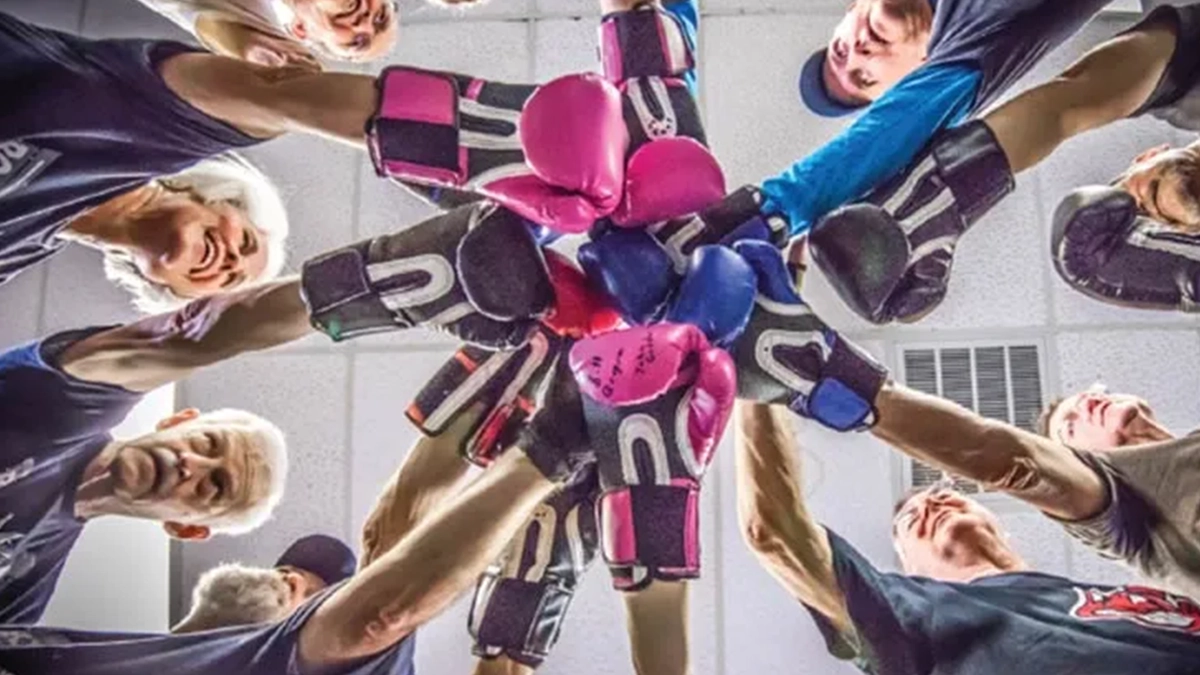
At the MUSC Wellness Center, participants engage in Rock Steady Boxing, a non-contact, boxing-based fitness program specifically designed to reduce Parkinson’s symptoms and improve quality of life.
The program uses boxing-inspired drills to build balance, coordination, agility, strength and cognitive focus. Participants also practice vocalization during punches to support speech and emotional expression.
Classes are adapted for all stages of the disease and emphasize both physical challenge and community support.
Participants often report improved confidence and connection, both important factors in managing a progressive neurological condition.
In a medical landscape increasingly focused on function and independence, programs like Rock Steady Boxing reinforce the idea that movement is not only medicine, but offers participants a chance to “fight back.”
Watsu: Healing Through Water
For people recovering from injury or managing chronic pain, movement doesn’t always have to happen on land.
Watsu, a form of aquatic bodywork, combines gentle stretching, massage and guided movement in warm water. Clients float in a heated pool while supported by a practitioner who moves their body through slow, flowing patterns.
Natalie Nelson, owner of Charleston Mobile Massage, discovered Watsu after a float tank experience and was drawn to its therapeutic effects. She now offers sessions as part of her practice.
“The water almost supports and caresses you because you’re weightless,” Nelson said. “There’s more gentle movement that can happen in the water than on land.”
Clients wear earplugs and float on their backs, achieving mobility without gravitational strain.
Because the body is buoyant, Watsu can be especially helpful for people with arthritis, injury recovery, pregnancy-related discomfort, disability or mobility limitations. Nelson also sees potential benefits for neurological conditions where land-based movement is difficult.
Beyond physical effects, she said the experience often provides emotional release.
“It feels like you can set your worries down for a little while,” she said.